
Vigilance in MTG: Rules, the Summoning Sickness Trap, and the Best Vigilance Cards
Vigilance is one line of rules text: attacking doesn’t cause this creature to tap. That is the whole keyword. It is also the combat ability players misread most often — because the sentence describes what vigilance prevents, and almost everyone reads it as a description of what vigilance grants.
The difference matters at the table. A creature with vigilance still cannot attack the turn it arrives. A creature with vigilance that is already tapped still cannot attack. Neither is obvious from the reminder text, and both cost games.
This guide covers the rule exactly as written, the two traps that follow from it, and the data behind all 730 paper cards that have vigilance — where it came from, which colour actually owns it, and why Magic is printing more of it right now than at any point in its history.
What vigilance does in MTG
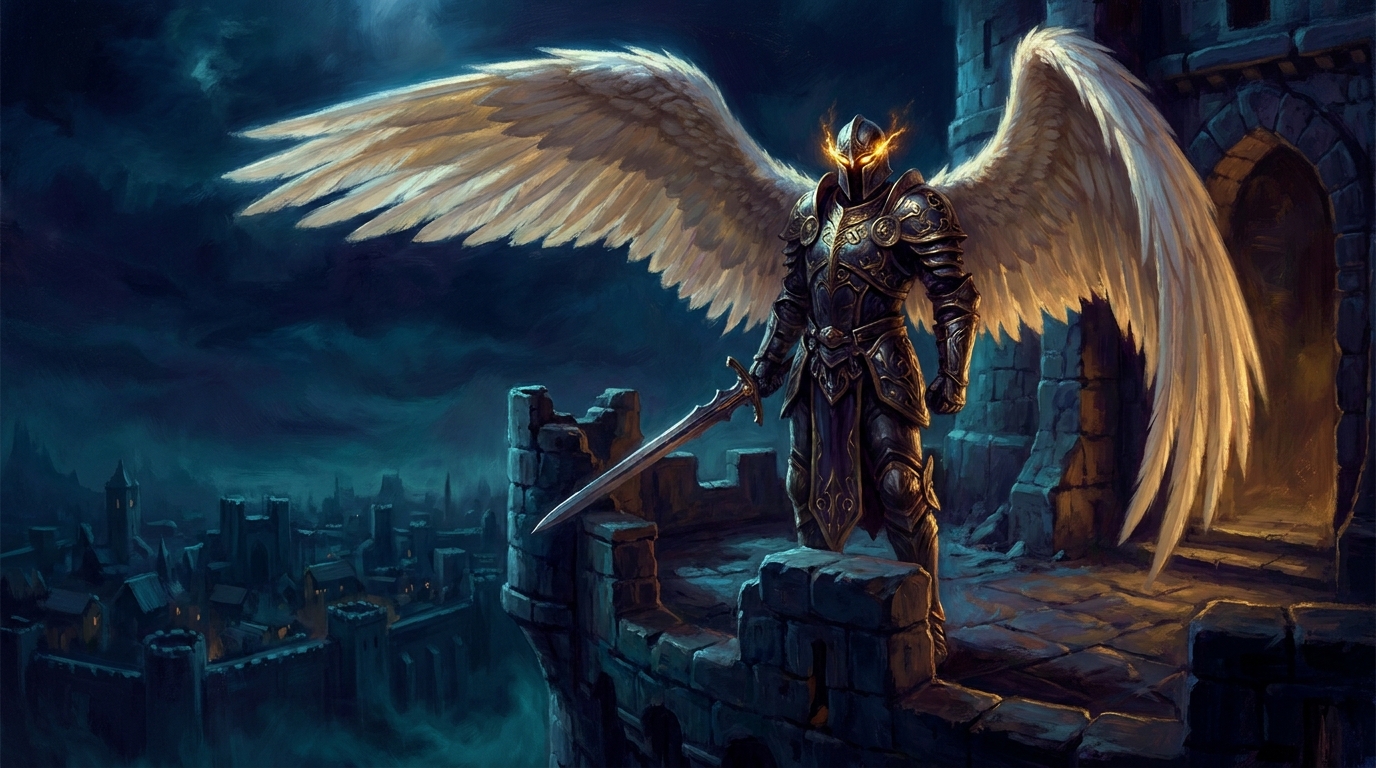
Normally, declaring a creature as an attacker taps it. That tap is built into the declare-attackers step, and it is why an attacking creature is not available to block on the crack-back. Vigilance removes that one step. The creature is still declared as an attacker, still deals combat damage, still gets blocked — it simply never taps to do it, so it remains untapped and available to block during your opponent’s turn.
That is the entire ability. Vigilance is a static ability with no trigger, no cost, and no timing window. It does nothing else.
Trap one: vigilance is not haste, and never has been
A creature with vigilance still has summoning sickness. If it entered the battlefield this turn, it cannot attack, and vigilance does nothing to change that.
This is the most-searched confusion about the keyword, and it is easy to see why. Vigilance and haste are both about a creature being ready to act, both appear on aggressive creatures, and both reminder texts mention attacking. But they solve opposite halves of the problem:
| Ability | What it changes | Attack the turn it enters? | Untapped after attacking? |
|---|---|---|---|
| Haste | Removes summoning sickness | Yes | No — it taps as normal |
| Vigilance | Removes the tap from attacking | No — summoning sickness still applies | Yes |
| Both | Removes both | Yes | Yes |
| Neither | — | No | No |
Summoning sickness is a separate rule that gates two things: attacking, and activating abilities with the tap symbol. Haste is the only keyword that turns it off. Vigilance operates one step later in the sequence — it assumes the creature is already legal to attack, and changes what happens when it does.
A useful way to hold it: haste is permission to attack; vigilance is a discount on attacking. A creature that has not been given permission cannot use the discount.

Trap two: vigilance does not untap anything
The second trap is rarer but more expensive, because it usually costs a lethal swing rather than a point of damage.
Vigilance prevents a tap; it does not reverse one. If your creature is already tapped — because you tapped it for mana, because you used a tap-activated ability, because an opponent’s effect tapped it during your upkeep — then it cannot be declared as an attacker at all. Tapped creatures cannot attack. Vigilance creates no exception to that rule; it removes only the tapping that attacking itself would have caused.
This catches people constantly with mana creatures and crew effects. Tapping a vigilance creature for mana in your first main phase takes it out of combat entirely for the turn — exactly the outcome the player was trying to avoid by running vigilance in the first place.
The flip side is the genuine payoff, and it is why vigilance is quietly excellent on utility creatures: because attacking never taps a vigilance creature, it can attack and then use its own tap ability the same turn. That interaction is the real reason vigilance appears on so many legendary creatures with activated abilities.
Does vigilance stack?
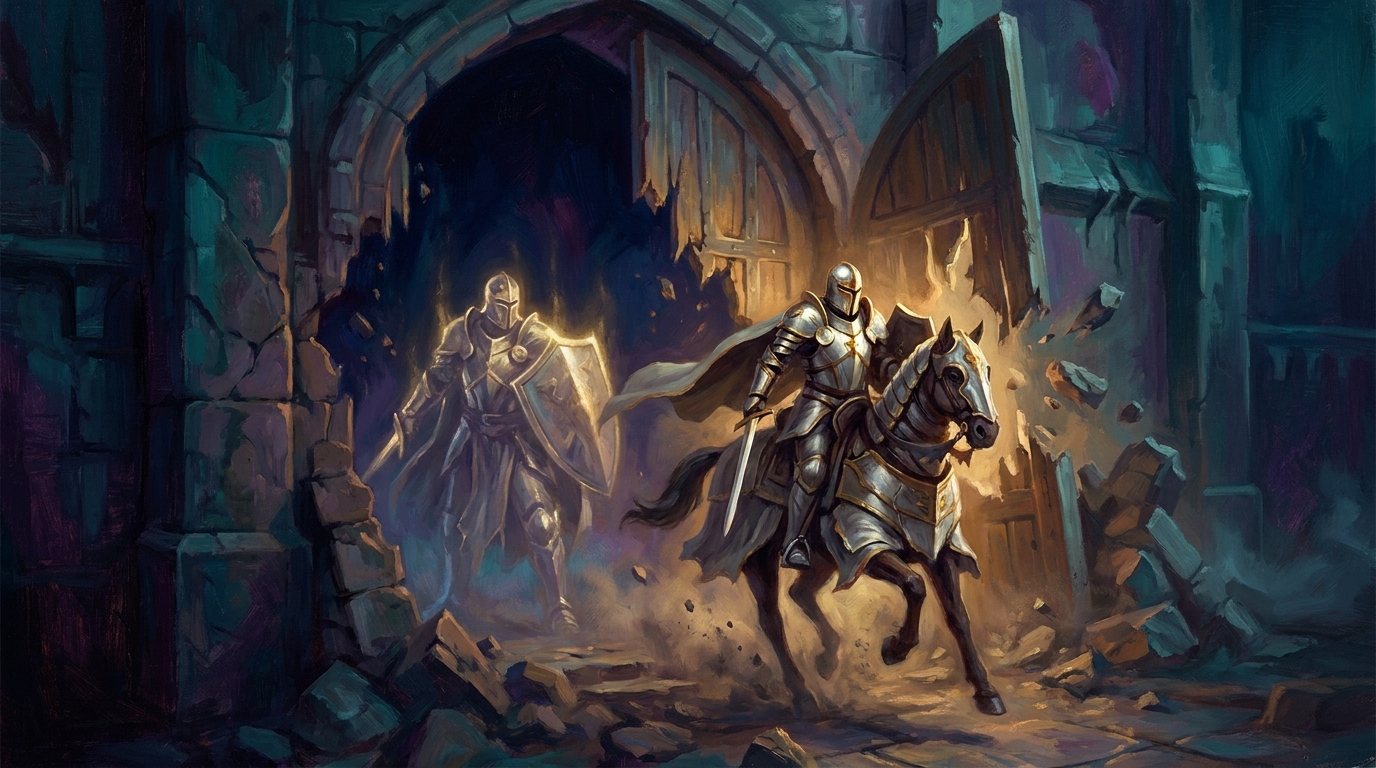
No. Vigilance is a binary static ability — a creature either has it or does not. A second instance does nothing. If a creature with vigilance is enchanted with an Aura granting vigilance, or affected by an anthem granting vigilance, the result is identical to having it once.
This is worth knowing before you spend a card on redundancy. Granting vigilance to a board that already has it is a wasted effect, which is why the best vigilance granters bundle it with something else — a stat boost, an extra blocker, a token.
Vigilance is eleven years older than its own name
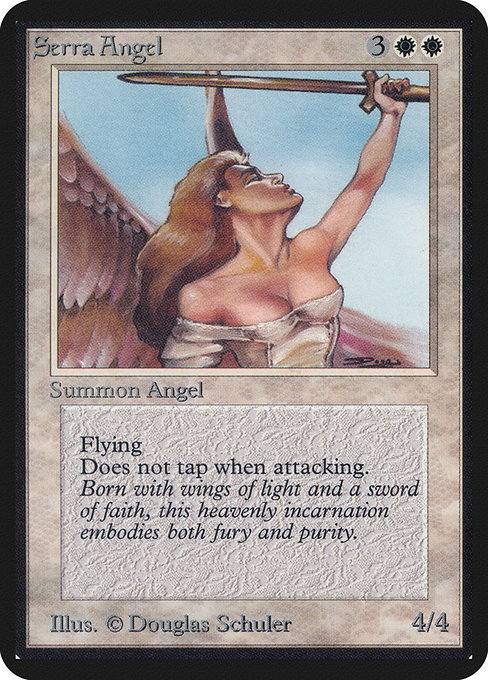
Vigilance was not keyworded until Champions of Kamigawa, released 1 October 2004. But the ability existed from the very first Magic set. Alpha’s Serra Angel — printed 5 August 1993 — read “Attacking does not cause Serra Angel to tap,” written out longhand.
When Wizards created the keyword, it was applied retroactively through Oracle, so every one of those older cards now simply says “vigilance.” Deriving the true first printing of every vigilance card — per card, across all 1,931 paper printings — puts the oldest ten in a clean line:
| Creature | First printed | Set |
|---|---|---|
| Serra Angel | 5 Aug 1993 | Limited Edition Alpha |
| Yotian Soldier | 4 Mar 1994 | Antiquities |
| Zephyr Falcon | 1 Jun 1994 | Legends |
| Rabid Wombat | 1 Jun 1994 | Legends |
| Bartel Runeaxe | 1 Jun 1994 | Legends |
| Windseeker Centaur | 1 Jan 1995 | Promo |
| Ghost Hounds | 1 Oct 1995 | Homelands |
| Bay Falcon | 8 Oct 1996 | Mirage |
| Archangel | 3 Feb 1997 | Visions |
| Tempest Drake | 3 Feb 1997 | Visions |
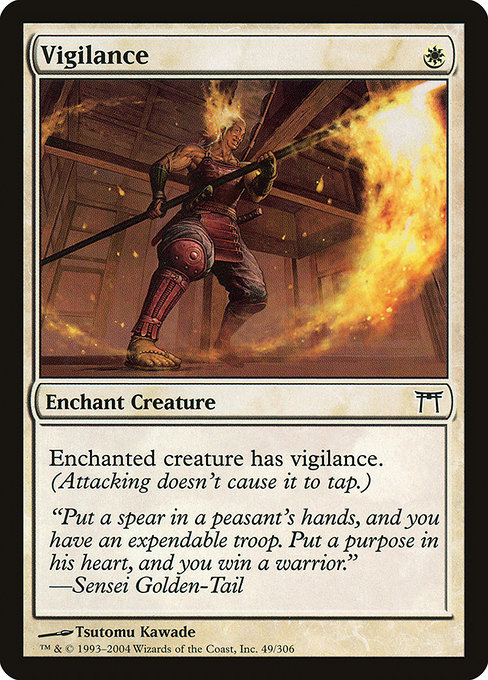
Two details from Champions of Kamigawa are worth flagging. The first card ever printed with the literal word “vigilance” on it is Konda, Lord of Eiganjo. And the same set printed an Aura called, simply, Vigilance — a one-mana white enchantment whose only function is granting the keyword it was named after.
Naming vigilance did nothing. The last four years did everything.
Here is the part that runs against expectation. Keywording a mechanic usually precedes a wave of new cards using it — the keyword exists so designers can print more of the thing cheaply. That is not what happened to vigilance.
2004, the year vigilance got its name, produced five new vigilance cards. That is indistinguishable from 2001 (five), 2006 (five), 2007 (five) and 2010 (five). The keyword arrived and the print rate did not move.
What moved was recent. Counting each card’s true first paper printing:
| Era | Years | New vigilance cards | Per year |
|---|---|---|---|
| Pre-keyword | 1993–2003 | 42 | 3.8 |
| Early keyword era | 2005–2014 | 93 | 9.3 |
| Modern era | 2015–2022 | 244 | 30.5 |
| Now | 2023–2026 | 346 | 86.5 |
Read the bottom two rows together. Magic printed 175 vigilance cards in its first twenty-four years, and 346 in the last four. There are now twice as many vigilance cards from 2023 onward as from the entire stretch between Alpha and Kaladesh. The current rate of 86.5 per year is roughly 6.8× the 12.8-per-year average of the thirty years before it.
The year-by-year climb is almost monotonic from 2017 on: 19, 30, 32, 33, 41, 54, 79, 93, 87, 87. Some of that is Magic simply printing more cards per year than it used to. But vigilance has outgrown even that — it has quietly become a default rider on midrange creatures, particularly in Commander product, where a creature that attacks without dropping its guard is worth far more in a four-player game than in a duel.
Vigilance is white, and there is exactly one mono-black vigilance card
Across all 730 paper cards, white appears on 453 — more than green (203), blue (171) and red (93) individually, and black barely registers at 57. Broken down by mono-coloured identity:
| Colour | Mono-coloured vigilance cards |
|---|---|
| White | 288 |
| Green | 103 |
| Blue | 76 |
| Red | 3 |
| Black | 1 |
| Colourless | 44 |
| Multicoloured | 215 |
| Total | 730 |
There is exactly one mono-black card with vigilance in all of paper Magic: Ghost Hounds, a {1}{B} Dog Spirit from Homelands in 1995. Black’s philosophy is that defence is somebody else’s problem, and thirty-three years of card design have held that line almost perfectly.
Mono-red has three, and even those are oddities: Tahngarth, Talruum Hero from Planeshift, the promo Windseeker Centaur, and the red face of a double-faced card. Red attacks and stays tapped — that is the point of red.
Nothing in Magic can remove vigilance
Magic has a long history of cards that strip evasion — effects that make a flier lose flying, or shut off hexproof so a removal spell can connect. Vigilance has none.
Searching every paper card’s full text for an effect that removes vigilance returns nothing. To confirm that zero is a real measurement rather than a broken query, the identical search shape was first run against keywords with known answers: it returns 34 cards that remove flying, and correctly finds Arcane Lighthouse and Shay Cormac for shroud. The method finds what it should find, and finds nothing for vigilance.
That extends a pattern worth knowing when deciding what your deck can and cannot answer:
| Keyword | Cards that can remove it |
|---|---|
| Flying | 34 |
| Hexproof | 7 |
| Shroud | 2 |
| Protection | 1 |
| Menace | 0 |
| Vigilance | 0 |
In practice this rarely matters — vigilance is a defensive convenience rather than an evasion ability, so there has never been much design pressure to answer it. But if you are attacking into an untapped board, know that your only outs are removing the creature, tapping it down, or making it unable to block. You cannot take the keyword away. The same is true of menace, for the same reason.
Vigilance is more common than haste
Because vigilance reads as a white-weenie nicety, players assume it is niche. It is not. Counted across paper Magic:
| Combat keyword | Paper cards |
|---|---|
| Flying | 3,184 |
| Trample | 1,006 |
| Vigilance | 730 |
| Haste | 645 |
| Reach | 427 |
| First strike | 388 |
| Menace | 383 |
| Lifelink | 367 |
| Deathtouch | 328 |
| Defender | 309 |
Vigilance is the third most-printed combat keyword in the game, ahead of haste by 85 cards. If your gut said otherwise, that is the recency of the printing curve talking — most of those 730 cards arrived after 2018.
The best vigilance cards in Commander
Vigilance’s value scales with the number of opponents. In a duel, holding a blocker back trades against pressure. In a four-player Commander game, attacking one opponent while staying untapped for the other two is close to free. These are the most-played vigilance cards in the format, with current market prices:
| Card | Cost | Type | Why it plays | Price |
|---|---|---|---|---|
| Sun Titan | {4}{W}{W} | Creature — Giant 6/6 | Attacks, stays up, and rebuys a permanent every swing | $0.38 |
| Loran of the Third Path | {2}{W} | Legendary Creature 2/1 | Artifact and enchantment removal on a body that attacks and still blocks | $5.63 |
| Enduring Vitality | {1}{G}{G} | Enchantment Creature 3/3 | Turns the whole board into mana without giving up blockers | $17.37 |
| Adeline, Resplendent Cathar | {1}{W}{W} | Legendary Creature */4 | Makes a token per opponent on attack and never taps to do it | $2.59 |
| Faeburrow Elder | {1}{G}{W} | Creature — Treefolk Druid | Grows with your colours and taps for mana after attacking | $0.37 |
| Avacyn, Angel of Hope | {5}{W}{W}{W} | Legendary Creature 8/8 | Flying, vigilance and board-wide indestructible | $28.15 |
| Danitha Capashen, Paragon | {2}{W} | Legendary Creature 2/2 | First strike, vigilance, lifelink and cheaper Equipment | $0.86 |
| Aurelia, the Warleader | {2}{R}{R}{W}{W} | Legendary Creature 3/4 | Extra combat step while holding blockers back | $5.33 |
| Elesh Norn, Grand Cenobite | {5}{W}{W} | Legendary Creature 4/7 | Anthem plus a one-sided sweeper that still blocks | $20.14 |
| Charismatic Conqueror | {1}{W} | Creature — Vampire Soldier 2/2 | Punishes tapped-out opponents; vigilance keeps it honest | $22.20 |
| Topiary Stomper | {1}{G}{G} | Creature — Plant Dinosaur 4/4 | Ramps early, attacks late, never drops its guard | $0.86 |
| End-Raze Forerunners | {5}{G}{G}{G} | Creature — Boar 7/7 | Gives the team +2/+2, trample and vigilance for the alpha strike | $0.65 |
Prices are current Scryfall market data at time of writing and move constantly — check live numbers on our MTG card price tool before you buy.
The best vigilance commanders
If you want vigilance as a theme rather than a bonus, these legendary creatures are the most-played options that carry the keyword themselves:
| Commander | Colours | Cost | Angle | Price |
|---|---|---|---|---|
| Adeline, Resplendent Cathar | Mono-white | {1}{W}{W} | Go-wide tokens; power scales with your board | $2.59 |
| Loran of the Third Path | Mono-white | {2}{W} | Artifact hate on a three-mana attacker | $5.63 |
| Aurelia, the Warleader | Boros | {2}{R}{R}{W}{W} | Extra combats, still untapped for the crack-back | $5.33 |
| Danitha Capashen, Paragon | Mono-white | {2}{W} | Cheap Voltron shell with built-in keyword soup | $0.86 |
| Boromir, Warden of the Tower | Mono-white | {2}{W} | Taxes opponents’ free spells; blocks all game | $5.61 |
| Avacyn, Angel of Hope | Mono-white | {5}{W}{W}{W} | Top-end finisher that makes the board immortal | $28.15 |
| Elesh Norn, Mother of Machines | Mono-white | {4}{W} | Doubles your enter-the-battlefield triggers, halves theirs | $24.61 |
| Lumra, Bellow of the Woods | Mono-green | {4}{G}{G} | Landfall-sized body that attacks and holds the fort | $23.27 |
| Ojer Taq, Deepest Foundation | Mono-white | {4}{W}{W} | Triples token creation; flips to a land when it dies | $26.97 |
| Giada, Font of Hope | Mono-white | {1}{W} | Two-mana Angel tribal engine | $0.79 |
Every one of these is a legendary creature, which means the legend rule applies if a copy effect or another player’s deck puts a second one on the battlefield — a real consideration in pods where two players run the same white staples.
Budget vigilance staples under $3
Vigilance is cheap to acquire. Because it is usually a rider rather than the reason a card is good, most vigilance staples are bulk:
| Card | Cost | Type | Price |
|---|---|---|---|
| Sun Titan | {4}{W}{W} | Creature — Giant 6/6 | $0.38 |
| Faeburrow Elder | {1}{G}{W} | Creature — Treefolk Druid | $0.37 |
| Adeline, Resplendent Cathar | {1}{W}{W} | Legendary Creature */4 | $2.59 |
| Danitha Capashen, Paragon | {2}{W} | Legendary Creature 2/2 | $0.86 |
| Topiary Stomper | {1}{G}{G} | Creature — Plant Dinosaur 4/4 | $0.86 |
| Wight of the Reliquary | {B}{G} | Creature — Zombie Knight 2/2 | $0.44 |
| Goldvein Hydra | {X}{G} | Creature — Hydra 0/0 | $2.94 |
| End-Raze Forerunners | {5}{G}{G}{G} | Creature — Boar 7/7 | $0.65 |
| Loyal Warhound | {1}{W} | Creature — Dog 3/1 | $0.60 |
| Zetalpa, Primal Dawn | {6}{W}{W} | Legendary Creature 4/8 | $0.29 |
| Giada, Font of Hope | {1}{W} | Legendary Creature 2/2 | $0.79 |
| Captain of the Watch | {4}{W}{W} | Creature — Human Soldier 3/3 | $0.42 |
How to give your whole board vigilance
Fifty-one paper cards grant vigilance to multiple creatures. The good ones bundle it with a second effect, because — as covered above — a redundant instance of vigilance is worth nothing:
| Enabler | Cost | What else it does | Price |
|---|---|---|---|
| Intangible Virtue | {1}{W} | Tokens also get +1/+1 — the go-wide staple | $0.28 |
| Brave the Sands | {1}{W} | Each creature can block an additional creature | $6.36 |
| Teysa Karlov | {2}{W}{B} | Doubles death triggers; tokens get vigilance and lifelink | $2.59 |
| Jetmir, Nexus of Revels | {1}{R}{G}{W} | Escalating team buffs at three, six and nine creatures | $10.16 |
| Heliod, God of the Sun | {3}{W} | Indestructible God that makes 2/1 Clerics | $3.96 |
| Ratadrabik of Urborg | {2}{W}{B} | Copies dying legends as Zombie tokens | $2.07 |
| Captain of the Watch | {4}{W}{W} | Brings three 1/1 Soldiers with it | $0.42 |
| Sentinel Sliver | {1}{W} | All Slivers gain vigilance | $2.49 |
| Ajani, the Greathearted | {2}{G}{W} | Planeswalker; also distributes +1/+1 counters | $0.92 |
| Murmuration | {4}{W} | Makes a 1/1 Bird whenever you gain life | $0.38 |
Brave the Sands deserves a specific warning. It grants vigilance and lets each of your creatures block an additional creature, which players regularly assume answers menace. It does not. Menace requires two creatures to block, and one creature that can block twice is still one creature. Brave the Sands is a fine vigilance enabler and a non-answer to menace.
One interaction that surprises people: a myriad token with vigilance still enters tapped. Herald of the Host has flying, vigilance and myriad, and its printed ruling says the token copies “enter the battlefield tapped even though they’ll have vigilance” — vigilance stops a creature tapping to attack, and the tokens were never declared as attackers; they were put onto the battlefield already tapped and attacking. Our myriad guide has that ruling and the twelve others that decide the mechanic.
Vigilance interactions worth knowing
- Vigilance and tap abilities. The best synergy in the keyword. Attack with the creature, then tap it for its ability in the second main phase. This is why so many vigilance cards are utility legends.
- Vigilance and mana creatures. The reverse trap. Tap for mana precombat and the creature cannot attack that turn, vigilance or not.
- Vigilance and Propaganda-style taxes. Vigilance does not exempt you from “pay {2} to attack” effects. Those cost mana, not taps.
- Vigilance and deathtouch. An excellent pair: attack freely and still threaten to eat anything that swings back. See our combat damage keywords guide for how deathtouch assigns damage.
- Vigilance and “attacks each combat if able.” Vigilance makes forced-attack drawbacks far less painful, since the creature comes back untapped anyway.
- Vigilance and indestructible. Avacyn, Angel of Hope is the archetype: an untapped 8/8 that cannot die is a total lock on combat. See what indestructible actually stops.
- Vigilance and commander damage. A vigilant commander pressures one player’s life total while defending against another’s, which matters when tracking the 21-damage rule.
- Vigilance and defender. A defender that is allowed to attack still taps like any other attacker, which is why Arcades, the Strategist has vigilance itself and High Alert carries an untap ability. Our defender guide covers every card that lets defenders attack.
- Vigilance and the wider combat step. If you want the full picture of how attacking and blocking fit together, our guide to menace, vigilance, haste, reach and defender covers the whole combat keyword family.
A budget white vigilance deck that actually holds the board
This is a straightforward mono-white Commander shell built around Adeline — go wide, attack every turn, and never be caught tapped out. Almost every creature in it either has vigilance or grants it.
Budget Adeline Vigilance Tokens
28 cards — one click loads the full list into a TCGplayer cart so you can check real prices and grab the whole deck at once.
Buy this deck on TCGplayerAffiliate link — buying through it supports KrakenTheMeta at no extra cost to you.Fill the rest with Plains, a handful of white utility lands, and whatever token payoffs you already own. If you would rather have the list built for you around a different commander, our AI deck builder will generate a full 100-card Commander list with a live meta pass, and you can browse what other players have built on the public decks page.
Frequently asked questions about vigilance
What does vigilance do in MTG?
Vigilance means attacking doesn’t cause the creature to tap. The creature attacks as normal but remains untapped, so it can still block on your opponent’s turn.
Does vigilance let a creature attack the turn it comes into play?
No. That is haste. A creature with vigilance and no haste still has summoning sickness and cannot attack the turn it enters the battlefield.
Can a tapped creature with vigilance attack?
No. Vigilance prevents the tapping caused by attacking; it does not untap the creature. A creature already tapped for any reason cannot be declared as an attacker.
Does vigilance stack?
No. Vigilance is a binary static ability. A second instance has no effect, so granting vigilance to a creature that already has it is wasted.
Does vigilance mean the creature untaps?
No. It never taps in the first place when attacking. No untap step is involved, and there is no way to use vigilance to untap a creature.
Can a creature with vigilance attack and use a tap ability the same turn?
Yes, and this is the keyword’s best interaction. Because attacking leaves it untapped, it can still pay a {T} cost afterwards — provided it does not have summoning sickness.
Does vigilance get around Propaganda or Ghostly Prison?
No. Those effects charge mana to attack. Vigilance only removes the tap, not the tax.
Which set introduced vigilance?
Champions of Kamigawa, on 1 October 2004. The ability existed from Alpha in 1993 as longhand text; Oracle retroactively converted every older card.
What was the first card with vigilance?
Serra Angel, from Limited Edition Alpha on 5 August 1993, though it read “Attacking does not cause Serra Angel to tap” at the time. The first card printed with the word itself is Konda, Lord of Eiganjo.
How many MTG cards have vigilance?
730 paper cards, across 1,931 paper printings. That makes it the third most-printed combat keyword after flying and trample.
What colour is vigilance in MTG?
White, overwhelmingly — 288 of the mono-coloured vigilance cards are white, against 103 green, 76 blue, 3 red and 1 black.
Is there a black vigilance card?
Exactly one mono-black card: Ghost Hounds, from Homelands in 1995. Black otherwise gets vigilance only on multicoloured cards.
Can vigilance be removed?
No card in paper Magic removes vigilance. To beat a vigilant blocker you must remove it, tap it, or otherwise stop it from blocking.
Is vigilance better than haste?
They solve different problems. Haste gives you damage this turn; vigilance gives you defence every turn afterwards. Vigilance scales better in multiplayer Commander, haste better in aggressive duels.
Do vigilance creatures still deal combat damage normally?
Yes. Vigilance changes nothing about damage, blocking, or combat order — only the tap.
If you want to test how well you know the white legends that carry this keyword, try Guess That Commander, or create a free account to save the decks you build.
The keyword that does answer summoning sickness is haste. See our full haste guide for the rules, the tap-ability half nobody teaches, and the best haste cards in 2026.
Build your next deck with AI
KrakenTheMeta’s AI deck builder researches the current meta and writes you a complete, format-legal decklist in about a minute — free to try.
Build a Deck with AIor browse community decks


One Comment
Comments are closed.